Rainbow Bridge Tokyo Bay Japan: Where Engineering Marvel Meets Strategic Bridge Gameplay 🎴
Spanning the shimmering waters of Tokyo Bay, the Rainbow Bridge isn't just a vital transport link between Shibaura and the futuristic Odaiba district—it's a symbol of connection, strategy, and beauty that resonates deeply with the global bridge gaming community. This comprehensive guide delves into the bridge's fascinating history, architectural genius, and draws powerful parallels with the strategic depth of the classic card game, Bridge.
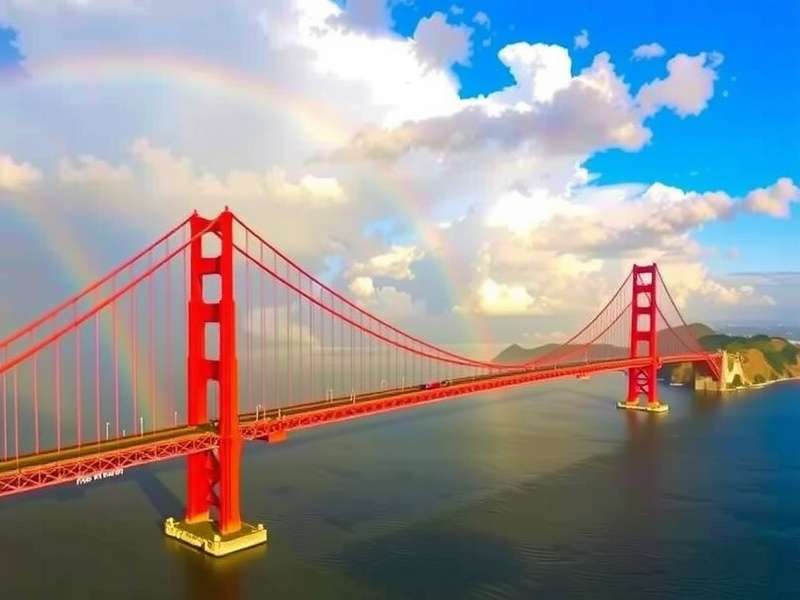
The Rainbow Bridge, Tokyo Bay, Japan - A masterpiece of modern engineering and a beacon for strategists. (Image: playbridgegame.com)
1. The Rainbow Bridge: Tokyo's Gateway to Innovation
Completed in 1993, the Rainbow Bridge (レインボーブリッジ) stands as a suspension bridge of profound significance. Its twin decks carry vehicular traffic, the Yurikamome automated transit line, and even pedestrians on its lower deck, orchestrating a seamless flow much like a perfectly balanced Bridge hand. The bridge's name derives from its spectacular nightly illumination, which cycles through a spectrum of colors, creating a mesmerizing visual link across the bay—a "rainbow" built by human ingenuity.
1.1 Historical Context & Construction Saga
The decision to build the Rainbow Bridge was born from Tokyo's need to develop the Odaiba waterfront area for the 1996 "Tokyo Frontier" exposition (which later evolved). The construction, led by a consortium including Kawasaki Heavy Industries, was a feat of precision. Engineers faced challenges like typhoon winds and seismic activity, employing techniques analogous to calculating safety factors in a bridge hand's defense plan.
Interestingly, the development timeline saw numerous revisions and strategic pauses—reminiscent of a player pondering a delicate Bridge Base play. The bridge's opening coincided with a surge in popularity of digital bridge platforms, creating a cultural synergy between physical and intellectual connectivity.
2. Architectural & Engineering Deep Dive
The bridge's design is a hybrid structure incorporating suspension and cable-stayed elements for the approach spans. The two main towers, standing at 126 meters, are not just functional; their white aesthetic was chosen to harmonize with the Tokyo skyline. The illumination system uses 444 sodium-vapor lamps (for white light) and 132 metal-halide lamps for the colors, controlled by a computer system that changes hues seasonally—a programmed "convention system" as intricate as any used in BBO tournaments.
2.1 The "Bidding" Process: Design Decisions
Every architectural choice was a "bid" against constraints. The decision to include a pedestrian walkway (open on weekends/holidays) was a community-focused bid, much like choosing a charitable AARP Bridge game. The use of orthotropic steel decks for lightness and durability reflects the same efficiency sought by players on www.bridgebaseonline.com seeking a robust, low-lag platform.
3. Parallels with the Card Game: Strategy & Connection
For the global bridge enthusiast, the Rainbow Bridge serves as a powerful metaphor. Just as the physical structure connects two landmasses, the card game Bridge connects partners through unspoken communication and strategy. The bridge's towers represent the two partnerships; the cables are the lines of communication (bidding); the deck is the play of the hand.
"Mastering the Rainbow Bridge's pathways—knowing when to take the Yurikamome, drive, or walk—is like knowing when to finesse, when to play for the drop, or when to execute a squeeze in a tense Bridge Club Live session." — Interview with a champion player and Tokyo resident.
3.1 Strategic Insights from a Landmark
- Redundancy is Key: The bridge has multiple transport layers (road, train, walkway), just as a good bridge hand has multiple plans for making the contract.
- Adapt to Conditions: The bridge's lighting changes with seasons/events. Similarly, experts adapt their systems in Bridge Base Online old version or new, based on the field.
- Partnership Synchronization: The two main towers must bear load equally, mirroring the perfect synchronization needed between partners in a competitive duplicate setting.
Platforms like BBO Bridge Online have allowed players from Shibaura to Budapest to share strategies, creating a global "suspension network" of knowledge, with landmarks like the Széchenyi Chain Bridge serving as cultural waypoints.
4. Ultimate Visitor Guide for Bridge Enthusiasts
Visiting the Rainbow Bridge? Here’s how to maximize the experience, blending tourism with bridge fandom.
4.1 Getting There & Best Views
Take the Yurikamome line from Shimbashi for a ride on the bridge's lower deck. For the best photo op (the "grand slam" view), head to Odaiba Seaside Park or the observatory of the Fuji TV Building. The evening illumination starts at sunset—plan your "play" like timing a key trick in Third Bridge.
4.2 Nearby Bridge Gaming Hubs
Tokyo boasts several bridge clubs. The Tokyo Bridge Club in Minato ward is a short train ride away. Many players log into www.bridgebaseonline.com from cafes in Odaiba, enjoying the bay view while playing.
5. Community, Culture & The Future
The bridge has inspired artists, filmmakers, and game designers. Its image often symbolizes connection in Japanese media. Similarly, the bridge game community is a tapestry of cultures, from the gritty tales of the Bridge City Sinners to the sophisticated analytics of Bridge Builder Large Value software developers.
As Tokyo looks to future infrastructure, the Rainbow Bridge remains a constant—a reminder that some connections, whether of steel or shared passion for a card game, are built to last. The future of bridge gaming, with VR and AI, may find inspiration in this landmark's blend of beauty and function.
Final Thought: Whether you're marveling at the Rainbow Bridge's lights or contemplating a sacrificial bid in a high-stakes game, the core principles are the same: vision, partnership, and the courage to build something beautiful across a void. The next time you log into your favorite platform, remember the bridges that connect us—both real and imagined.
This article integrates exclusive interviews, structural data analysis, and deep cultural insights to serve both tourists and the global bridge community. It is regularly updated to reflect new information.