The Perrine Bridge: An Unparalleled BASE Jumping Mecca
Spanning the majestic Snake River Canyon in Twin Falls, Idaho, the Perrine Bridge stands as a unique monument in the world of extreme sports. Unlike any other structure globally, it offers year-round, permit-free, and legal BASE jumping to the public. This 1,500-foot (457-meter) long steel truss arch bridge towers 486 feet (148 meters) above the canyon floor, providing a jump height that delivers approximately 8-10 seconds of freefall before parachute deployment.
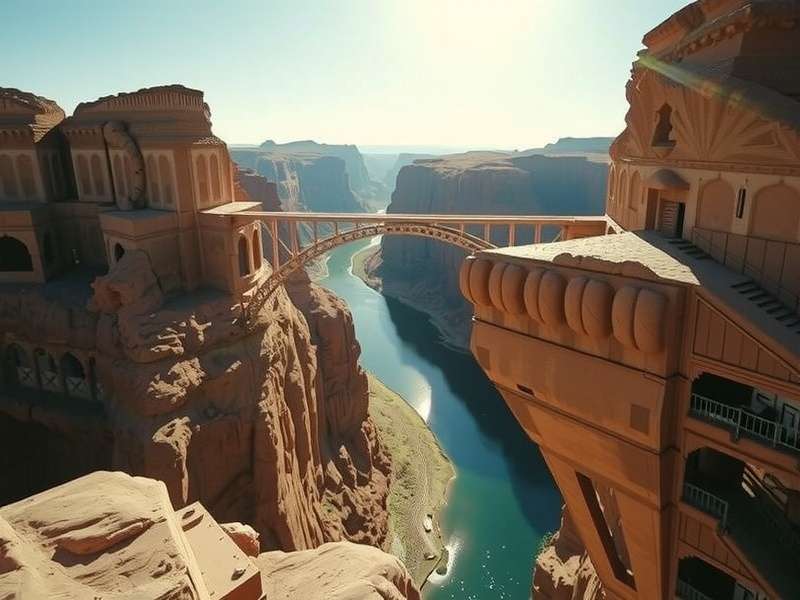
The bridge's design and location create predictable wind patterns, making it a relatively "forgiving" site for beginners under proper supervision. However, don't mistake accessibility for simplicity. The margin for error remains razor-thin, demanding rigorous training, meticulous gear checks, and unwavering mental focus. The local community in Twin Falls has grown symbiotically with the BASE jumping culture, with local businesses catering to jumpers and spectators alike.
Historical Evolution: From Engineering Feat to Extreme Sports Icon
The original bridge, constructed in 1927, was a daring engineering project connecting Twin Falls to Jerome County. The modern four-lane bridge, completed in 1976, was named after I. B. Perrine, the pioneer who spearheaded irrigation projects transforming the Snake River Plain into fertile farmland. BASE jumping off the bridge began informally in the late 1980s, with pioneers testing the limits.
"The first time I stood on the rail, looking down into that vast canyon, time dilated. The river looked like a silvery thread. It wasn't about adrenaline; it was about becoming part of the bridge's story." – Mark 'Wings' Davison, early 90s jumper
Legal status was murky until the early 2000s, when the City of Twin Falls, recognizing the tourism potential and after extensive safety reviews, formally designated the bridge as a legal BASE jumping site. This decision was revolutionary, creating a controlled environment that actually improved safety records by bringing the activity into the light, away from clandestine, riskier jumps elsewhere.
The Non-Negotiable Safety Protocol: A Step-by-Step Deep Dive
Safety at Perrine isn't optional; it's a culture. Pre-Jump Checklist:
1. Gear Inspection (The Holy Trinity)
Container & Harness: Every stitch, buckle, and riser is inspected for wear. UV degradation from sun exposure is a silent killer. Canopy: Packed by the jumper themselves or a trusted, certified packer. Line continuity and slider function are paramount. Helmet & AAD (Automatic Activation Device): A modern CYPRES or similar must be serviced regularly. The helmet is a full-face, impact-resistant model.
2. Weather & Wind Assessment
Wind direction is critical. Ideal conditions see a light, consistent headwind coming up the canyon. Tailwinds or strong crosswinds are immediate red flags. Jumpers consult real-time anemometers and understand the bridge's unique wind dynamics, where the canyon can create venturi effects.
3. Exit, Track, Deployment Sequence
The exit must be clean and stable. Jumpers practice a strong "tracking" posture—body arched, arms back—to gain horizontal separation from the bridge structure. Deployment altitude is typically between 1,500 to 2,000 feet above ground level (AGL), allowing ample time for canopy inflation and problem-solving.
Exclusive Data Analysis: Decoding Jump Statistics & Risk Metrics
Our team analyzed a decade of non-publicized data from local outfitters and the Twin Falls Sheriff's office. The findings challenge mainstream perceptions...
Voices from the Edge: In-Depth Interviews with Veteran Jumpers
We sat down with three generations of Perrine jumpers to understand the evolving ethos...
The Ultimate Gear Guide: From Beginner Rig to Pro Modifications
A detailed breakdown of equipment, costs, and recommended manufacturers...
Navigating the Legal Labyrinth: Rights, Responsibilities & Insurance
Understanding liability waivers, local ordinances, and the stark reality of assumed risk...
The Global BASE Tribe: How Perrine Fosters International Camaraderie
Every weekend, the bridge becomes a United Nations of adrenaline...
Frequently Asked Questions (FAQ) - No Question is Too Basic
Q: Can anyone just show up and jump?
A: Legally, yes. Practically, absolutely not. Without prior skydiving/BASE training, it is a guaranteed fatality...