Ha'penny Bridge Dublin Ireland: A Timeless Crossing & Its Surprising Bridge Game Legacy 🃏
The iconic Ha'penny Bridge is more than just a Dublin landmark; it's a symbol of connection, strategy, and community—much like the classic card game it shares a name with. Let's dive deep into its story.
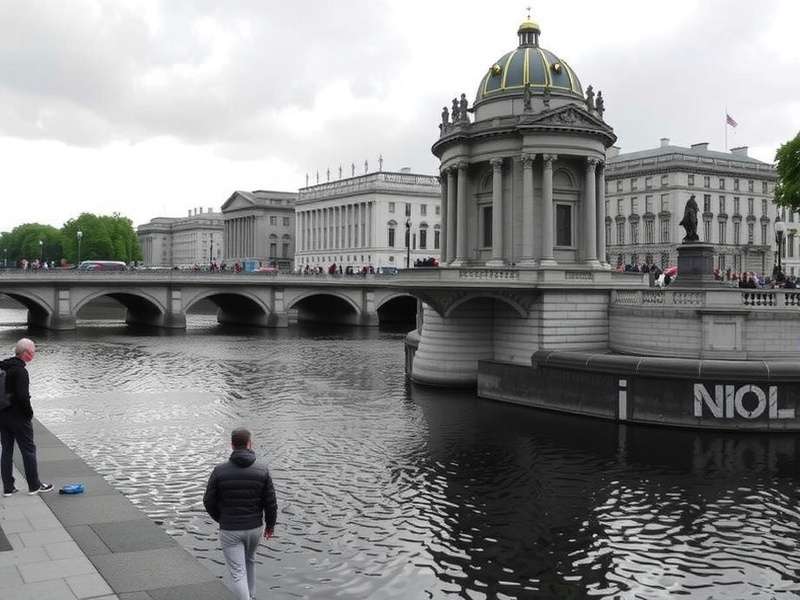
For over two centuries, the Ha'penny Bridge (officially the Liffey Bridge) has been Dublin's beloved pedestrian crossing. Its elegant cast-iron arches have witnessed history, romance, and countless stories. But beyond its physical structure lies a fascinating parallel to the world of the mind sport: Bridge (the card game). Both require partnership, foresight, and navigating challenges to reach a successful outcome. This article unveils the bridge's secrets and explores this unique connection.
🏛️ The Rich History of Ha'penny Bridge
Built in 1816 by the Wellington Bridge Company, the bridge was originally named after the Duke of Wellington. Its colloquial name, "Ha'penny," comes from the halfpenny toll levied on pedestrians until 1919. This fee was a significant sum for the time, shaping the bridge's social history.
The bridge replaced a precarious ferry service operated by William Walsh. The agreement stated that if Walsh's ferries were removed, he would receive a toll right for 100 years or a bridge built at the company's expense. The halfpenny toll was his revenue.
Architectural Significance
Designed by John Windsor, the bridge is a single elliptical iron arch spanning 43 meters (141 ft). Its delicate, filigree-like appearance belies its strength. The cast-iron construction was revolutionary, showcasing the industrial prowess of the era.
💡 Did You Know? During the 2001 restoration, the bridge was taken away piece by piece, refurbished, and reassembled. Over 30,000 pedestrians cross it daily, making it one of Dublin's busiest footbridges.
📊 Fascinating Facts & Figures
Let's break down the numbers and trivia that make the Ha'penny Bridge special:
- Name Origin: Toll was one halfpenny (½d).
- Construction: 1816, making it over 205 years old.
- Material: Cast iron, with recent additions of non-slip decking.
- Length: 43 meters (141 feet).
- Width: 3.66 meters (12 feet).
- Daily Footfall: Approximately 30,000 people.
- Restoration: 2001-2002, costing €1.25 million.
Cultural Icon
The bridge features prominently in Irish literature, music, and film. It's a token of affection; couples often attach "love locks" to its rails (though discouraged for preservation). It symbolizes connection—linking the north and south of Dublin, much like the card game Bridge connects partners across the table.
♠️♥️♣️♦️ The Bridge Game Connection: More Than Just a Name
At first glance, a Dublin footbridge and a complex card game seem worlds apart. Yet, the philosophy of connection binds them. Both are about building links—whether between riverbanks or between partners in a game of strategy.
Strategy & Partnership: The Core Parallel
Playing Bridge requires impeccable communication and trust with your partner, often without words (through bidding conventions). Similarly, the Ha'penny Bridge was built on an agreement (Walsh's toll) that required a mutual understanding for public benefit.
Mastering Bridge involves planning several tricks ahead, just as the bridge's architects had to foresee structural loads and public usage centuries ahead. Resources like Bridge Base Four Hands analysis help players deconstruct complex situations, akin to engineers analyzing the bridge's stress points.
Community & Online Play
The global Bridge community thrives online. Platforms like BBO Bridge Base Online allow players worldwide to connect instantly, transcending physical bridges. Whether you're into Bridge Base Online Bridge 4 or classic duplicate, the digital realm is the new gathering point.
For those who enjoy a different kind of bridge building, Bridge Builder Crazy Games offers a fun, physics-based challenge. And for secure connections in another domain, tools like Trezor Bridge ensure safe crypto transactions—another form of modern-day bridging.
Extreme Connections
Even the thrill-seeking world has its bridges. The Perrine Bridge Base Jump is a Mecca for BASE jumpers, showcasing human daring—a different, adrenaline-fueled parallel to the calculated risks in a high-stakes Bridge game.
For a comprehensive online hub, the Bridge Base Online Home Page is the go-to. And if you're looking for a more casual experience, Bridge Base Just Play offers straightforward fun. Even gamers in Bridge Base 7 Days To Die communities understand the importance of structural and strategic bridges for survival.
🗺️ Visiting the Ha'penny Bridge: A Practical Guide
Planning a trip? Here's what you need to know:
Location & Access
The bridge connects Lower Liffey Street (Northside) with Wellington Quay (Southside), in the heart of Dublin's city center. It's a 10-minute walk from O'Connell Street or Temple Bar.
Best Time to Visit
Early morning offers peaceful views and soft light for photography. Evening is magical when the bridge and city lights reflect on the Liffey. Avoid peak commuting hours if you want a leisurely stroll.
Nearby Attractions
The bridge is steps away from Temple Bar (cultural quarter), Trinity College (home to the Book of Kells), and Dublin Castle. It's the perfect starting point for a Dublin exploration.
🎯 Conclusion: Bridging Worlds
The Ha'penny Bridge stands as a testament to Irish engineering, history, and daily life. Its story of connection—physical, social, and economic—resonates deeply with the essence of the card game Bridge. Both demand collaboration, strategic thinking, and a bit of daring. Whether you're walking across the Liffey or playing a hand of contract Bridge, you're participating in a timeless tradition of building links.
We invite you to explore more about both worlds. Practice your game on Bridge Base Online, and when in Dublin, take a moment on the Ha'penny Bridge to appreciate the view—and the connection.
Last Updated: